

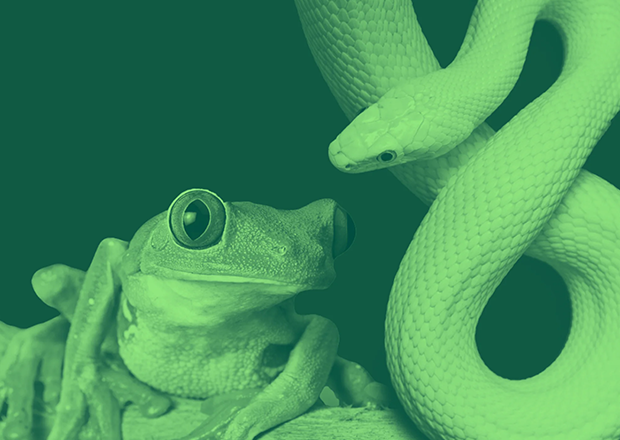
Sri Lanka is home to a remarkable number of endemic amphibians — species found nowhere else in the world. From dwarf toads in the central highlands to brightly coloured tree frogs in the lowland rainforests, these animals represent a unique part of the island's natural heritage. Unfortunately, many of these species are also among the most threatened, facing pressures from habitat loss, climate change, and pollution.
Conservation efforts focus on protecting and restoring the forest habitats these amphibians depend on, particularly in the wet zone and central highlands where endemism is highest. Establishing and maintaining protected areas, restoring degraded streams, and reducing the use of agrochemicals near sensitive habitats all play a role in safeguarding these populations.
Continued monitoring is also essential, as it allows researchers to detect population declines early and respond before a species becomes critically endangered or, in the worst cases, extinct. Every endemic species lost represents an irreplaceable piece of Sri Lanka's biodiversity.


2022/03/02
Herpetology Research at University of Sri Jayewardenepura
The University of Sri Jayewardenepura has become a leading centre for herpetolog...
Amphibian Education Programs in Sri Lanka
Raising awareness about amphibians is a key part of protecting them, and a growi...
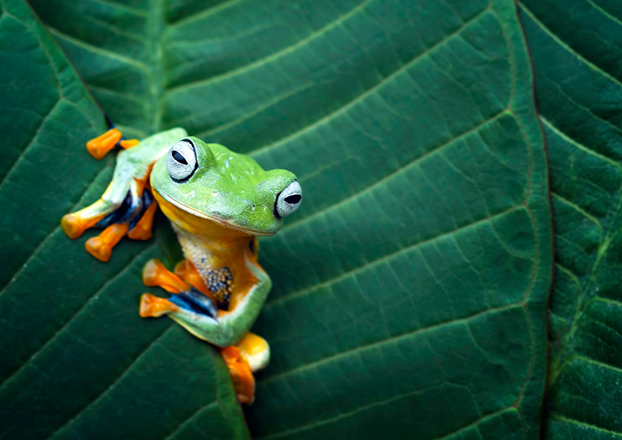
New Discoveries in Sri Lankan Amphibian Research
Sri Lanka continues to surprise the scientific community as researchers uncover...
