

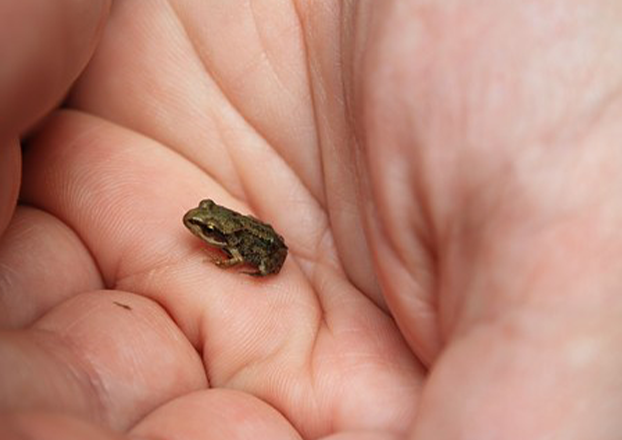
Raising awareness about amphibians is a key part of protecting them, and a growing number of education programs across Sri Lanka are helping students and communities understand the importance of frogs, toads, and caecilians in local ecosystems. School visits, nature walks, and hands-on workshops introduce young people to the amazing diversity of amphibians living right in their own backyards.
These programs often pair classroom learning with field trips to wetlands, forest reserves, and botanical gardens, where students can observe amphibians in their natural habitats and learn how to identify common species by sight and call. Citizen science initiatives also encourage the public to record sightings, helping researchers track population trends over time.
By building a stronger connection between people and the amphibians that share their environment, these education efforts aim to foster long-term support for conservation and reduce harmful practices such as habitat destruction and pollution of waterways.


2022/03/02
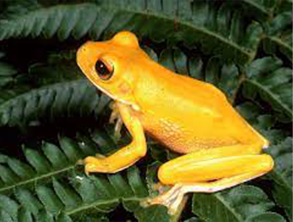
Herpetology Research at University of Sri Jayewardenepura
The University of Sri Jayewardenepura has become a leading centre for herpetolog...
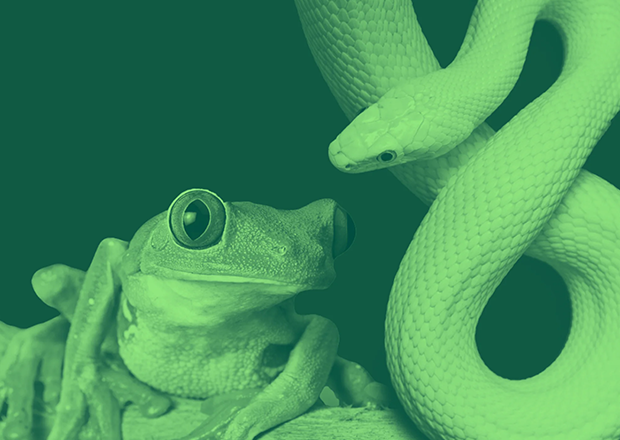
Protecting Endemic Amphibians of Sri Lanka
Sri Lanka is home to a remarkable number of endemic amphibians — species f...
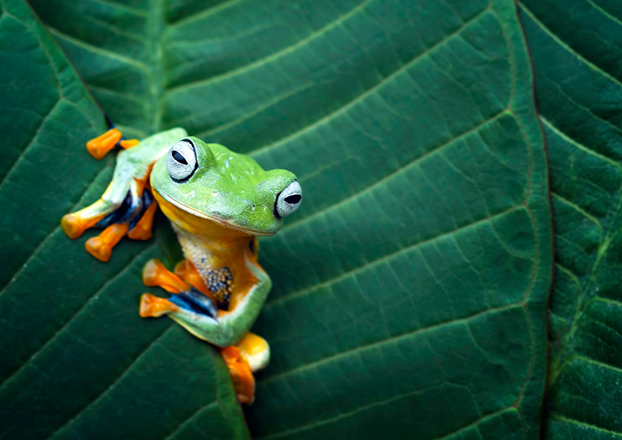
New Discoveries in Sri Lankan Amphibian Research
Sri Lanka continues to surprise the scientific community as researchers uncover...
